Short answer
Somali food is the cooking of Somalia and the Somali diaspora, built around spiced rice, goat, beef and chicken, flatbreads, sambusa pastries and spiced tea. Meals are often shared, with banana or a squeeze of lime on the side.
Somali food is the cuisine of Somalia and its diaspora, centered on spiced rice, goat, beef and chicken, flatbreads, small fried pastries called sambusa, and sweet spiced tea. A first Somali meal is usually a plate of rice with grilled or stewed meat, a flatbread on the side and a hot drink afterward.
What is Somali food?
Somali food is a cuisine from the Horn of Africa that mixes East African, Arab, Indian and Italian influences through centuries of Indian Ocean trade and, later, colonial contact. The result is rice and wheat dishes with moderate spicing, plenty of meat and very little heat.
The country has a long coastline, so fish is eaten along the coast. Inland, herding communities have traditionally relied on goat, sheep, camel and milk. Cooks flavor food with onion, garlic, cumin, cardamom, cinnamon, clove and black pepper, which is also what goes into the spiced tea served after meals.
What are the main Somali dishes?
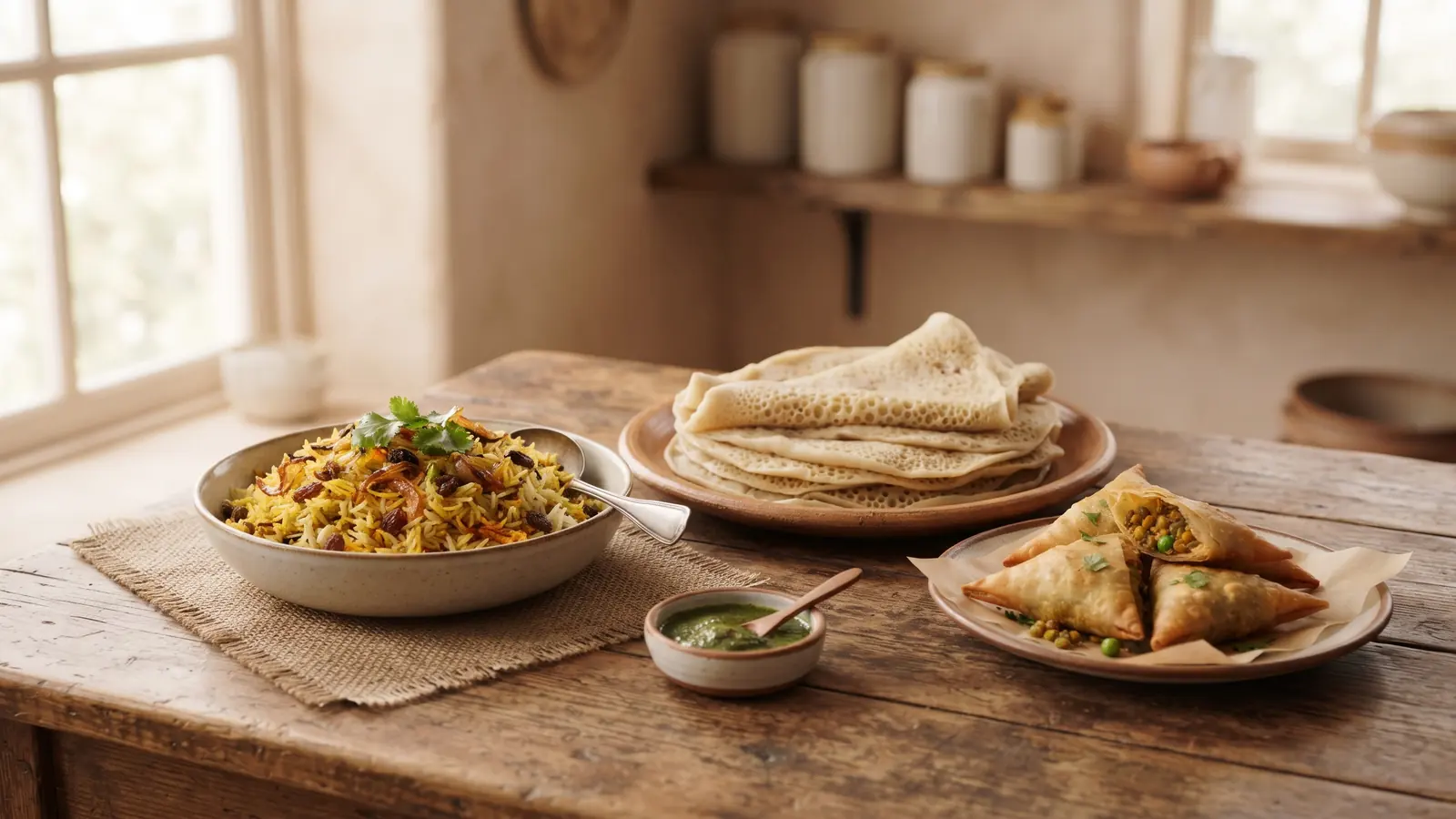
The main Somali dishes are bariis (spiced rice), suqaar (diced sautéed meat), goat roasted or stewed, canjeero (a soft pancake-style bread), chapati, sambusa and mandazi. Pasta, called basta in Somali, is also common and reflects the Italian period in the south.
| Dish | What it is | Usual role |
|---|---|---|
| Bariis | Rice cooked with oil, onion and warm spices | Main starch for platters |
| Suqaar | Small pieces of beef, goat or chicken stir-fried with onion and pepper | Main meat dish |
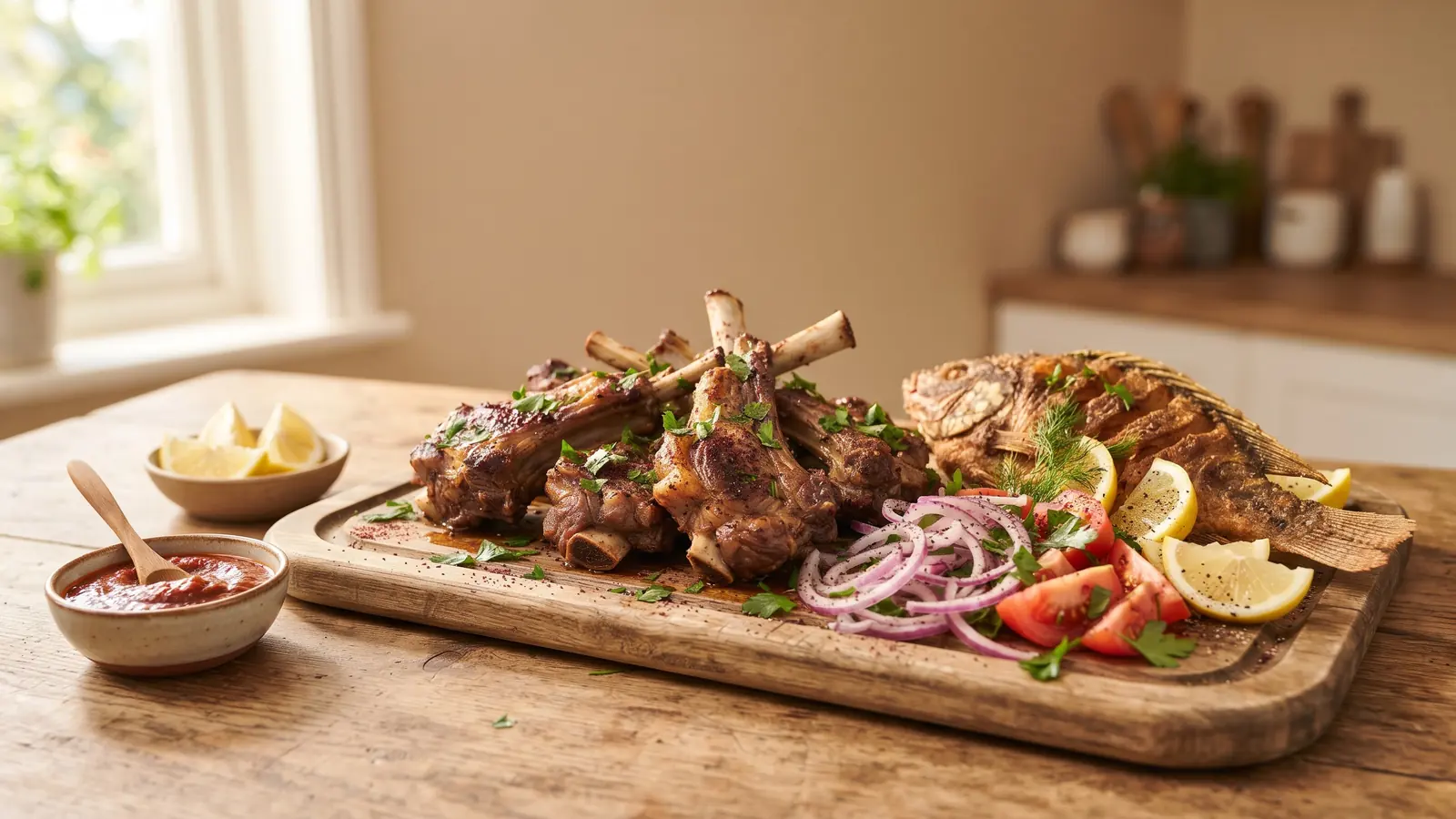
| Roasted goat | Goat seasoned and roasted or grilled on the bone | Celebration and restaurant plate |
| Canjeero | Soft, spongy, lightly sour pancake bread | Breakfast |
| Chapati | Thin layered flatbread | Wrap, side, base for other dishes |
| Sambusa | Fried pastry triangle with a savory filling | Snack or starter |
| Mandazi | Lightly sweet fried dough | Tea-time or breakfast |
Spellings vary. Suqaar is also written sukaar, canjeero is also written anjero, and sambusa is the same style of pastry that appears as sambosa or samosa elsewhere.
How are Somali meals served?
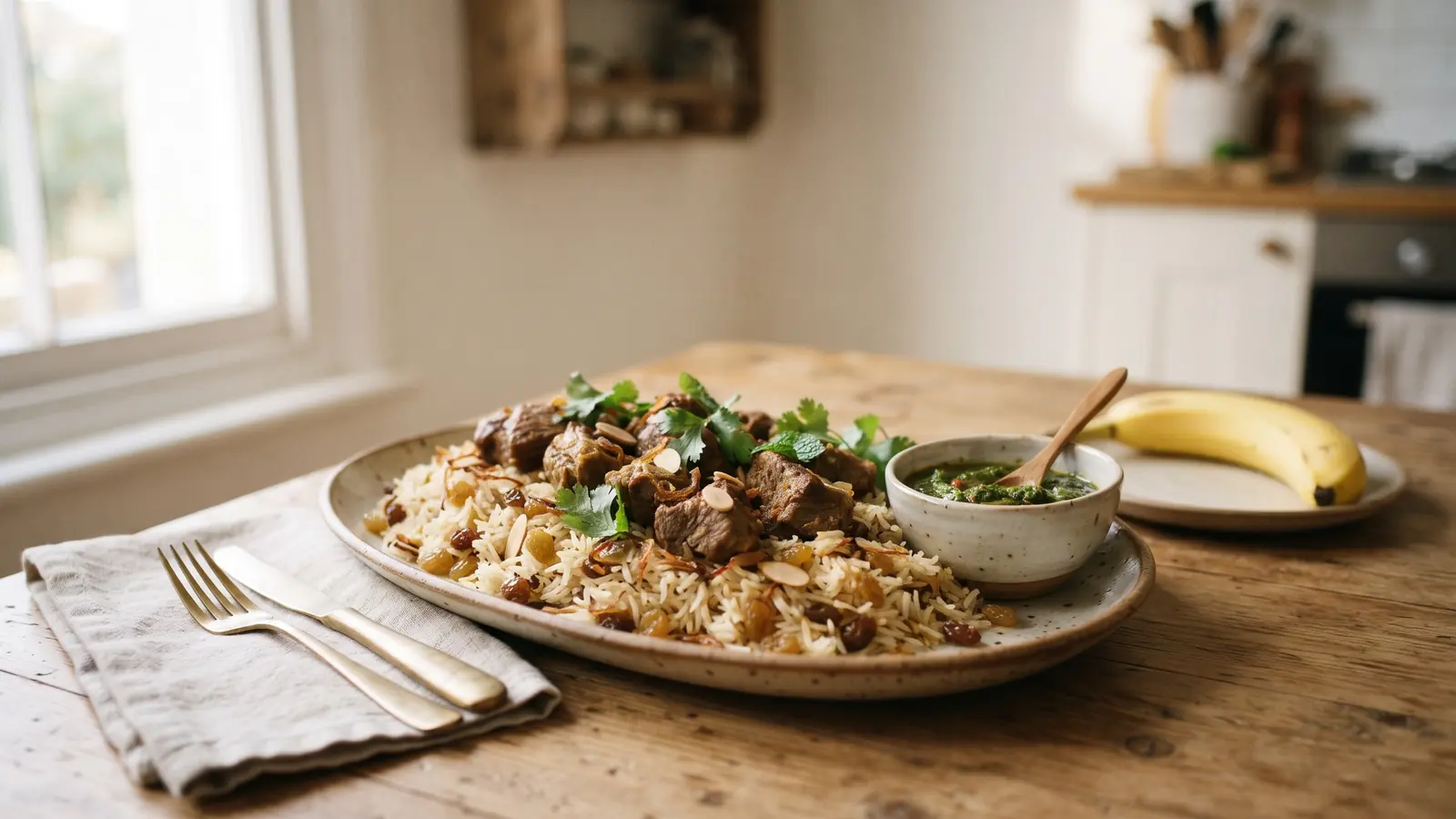
Somali meals are served family style: a large platter of rice with meat in the center, with side dishes, sauce, salad and fruit around it. Diners take from the shared plate or from smaller plates, and food is generally eaten with a spoon or by hand, depending on the household.
Rice and meat are the center of lunch and dinner. A banana is often placed next to the plate, and a green chili sauce, sometimes made with cilantro and lemon, is passed around for anyone who wants heat. Meals end with spiced tea. At restaurants, ordering is more individual, with one plate per person and a platter for two or more.
What does Somali food taste like?
Somali food tastes savory and warmly spiced rather than hot: cumin and cardamom in the rice, onion and pepper in the meat, and a gentle sweetness from banana or milky tea. Flavors are rounded and aromatic, closer to Indian or Yemeni cooking than to Ethiopian stews.
Goat is richer and a little gamier than chicken, and it is often cooked until tender with its own juices. Flatbreads are mild so that they can carry sauce. The sambusa is the crunchy, seasoned counterpoint to soft rice and tender meat.
What do Somali people eat for breakfast?
A Somali breakfast is typically canjeero or chapati with tea, often with sugar and ghee, a stew or eggs on the side. Fried dough such as mandazi is another common morning or tea-time food.
Canjeero is made from a fermented batter cooked on one side only, which leaves the top full of tiny holes that soak up ghee, sugar or sauce. It is torn into pieces and eaten by hand. Sabaayad, a flaky pan-fried flatbread, can be served the same way. Tea is brewed with milk and spices such as cardamom, and it is usually sweet.
What is the spiced tea served with Somali meals?
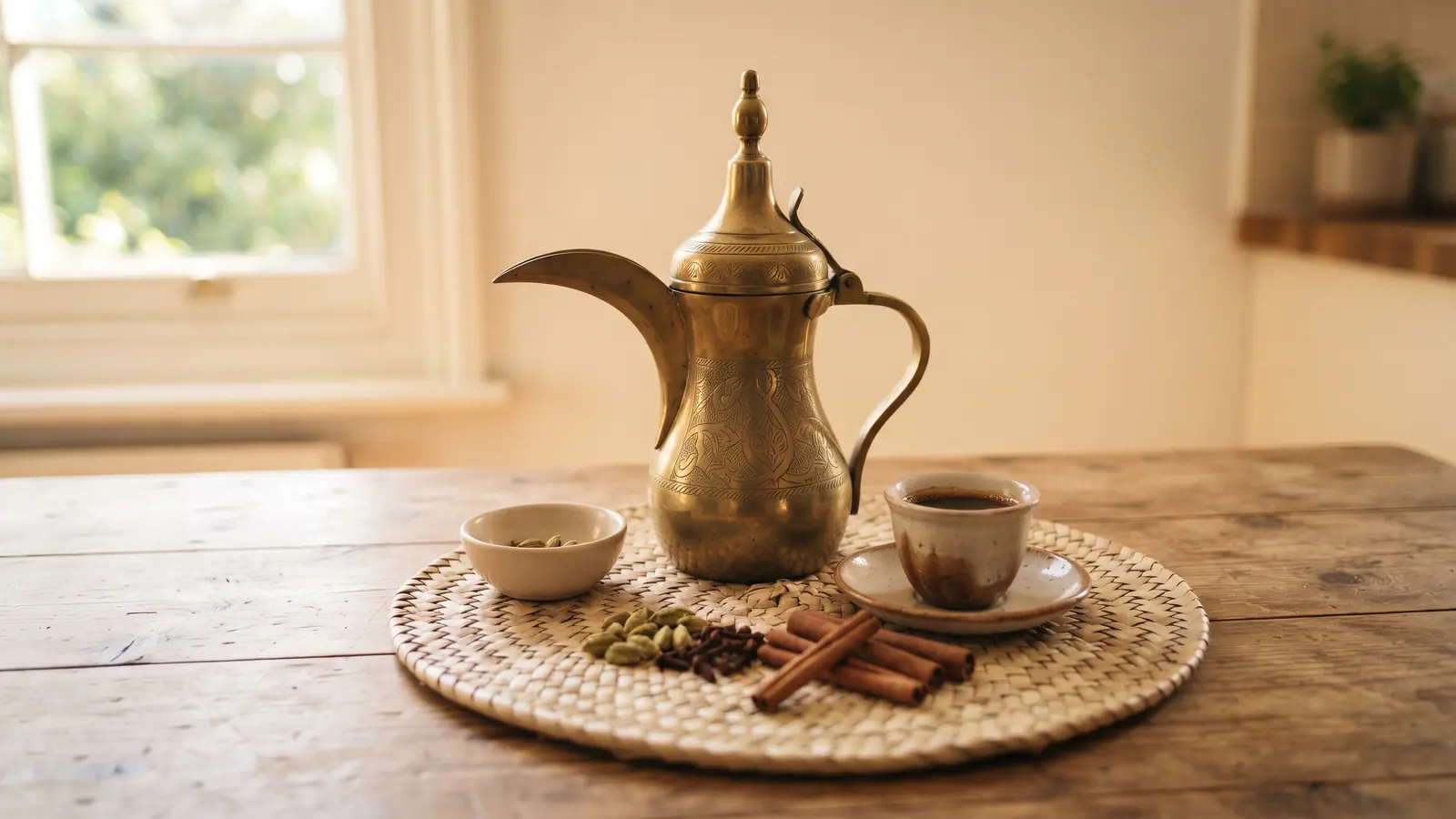
Somali spiced tea, called shaah, is black tea simmered with milk and spices, usually cardamom, cinnamon and clove, and often ginger. It is served sweet after meals and in the afternoon, and offering it is a sign of hospitality.
Recipes differ from home to home. Some cooks simmer the spices in water first and add the milk and tea at the end, while others boil everything together. The spice mix is similar to what is called chai in India, though Somali versions are often less milky and lean on cardamom.
What should you order first at a Somali restaurant?
Order a rice plate with one meat dish, then add a sambusa and a flatbread. That set shows the three pillars of the cuisine in one meal: rice, spiced meat and pastry or bread.
- Choose a meat: goat for the traditional choice, suqaar for smaller pieces, or fish if you prefer something lighter.
- Choose a starch: basmati rice is standard, and chapati works as a wrap or scoop.
- Add one small item, such as a sambusa, to try the pastry.
- Ask for the chili sauce and a banana if offered, and finish with spiced tea.
Groups often share a combination plate so that everyone can try two meats.
How does Somali food compare with other East African cooking?
Somali food uses more rice, pasta and wheat flatbread than Ethiopian or Kenyan cooking, and less of the fermented injera or maize porridge (ugali) found elsewhere in East Africa. Dishes are mildly spiced and meat-forward.
| Cuisine | Typical base | Signature items |
|---|---|---|
| Somali | Rice, pasta, flatbread | Suqaar, roasted goat, canjeero, sambusa |
| Ethiopian and Eritrean | Injera (fermented flatbread) | Wat stews, tibs |
| Kenyan | Ugali (maize porridge), chapati | Nyama choma (grilled meat), pilau |
| Swahili coast | Rice, coconut | Pilau, biryani, mandazi |
These are general descriptions, and every household and region has its own versions.
Which Somali dishes are on the Jubba menu?
Jubba Somali Restaurant at 5330 Terner Way in San Jose lists most of the dishes above on its Yelp menu page, read on November 13, 2026. Yelp says the menu may not be up to date.
- Roasted Goat Cutlet, $25.99: spiced goat meat in the traditional Somali style, served on basmati rice.
- Beef Suqaar, $25.99, and Chicken Suqaar, $23.99: slices of meat cooked with onions, fresh vegetables and spices.
- Sports Plate, $43.99: a big plate for two people with a combination of two meats.
- Chicken Kay Kay, $23.99, and Beef Kay Kay, $24.99: chopped chapatti mixed with the meat, spiced tea, onions, banana, sesame oil and cilantro.
- Sambusa, $3.00, Chapatti, $3.00 and Mandasi, $2.00 on the sides list.
Canjeero and plain rice sides are not on the recorded menu. Zabihah and Yelp list the restaurant as halal, based on the restaurant’s own statement, and Zabihah also notes complimentary spiced tea.
An owner post on the restaurant’s Google profile, dated September 14, 2026, says it was temporarily closed until further notice as of September 11, 2026. Google Maps and Yelp still show normal hours, so call (408) 440-1504 before going. This guide is independent and takes no orders. See the menu page and the hours and location page.
Common questions
Is Somali food spicy hot?
Usually not. Somali food is seasoned with cumin, cardamom, coriander, garlic and black pepper rather than chili heat. A hot sauce or green chili paste is often served on the side, so each person can add heat to taste.
What is a typical Somali breakfast?
A common breakfast is canjeero, a soft spongy pancake-style bread, served with sugar and ghee or with a stew, along with sweet spiced tea. Chapati and fried dough such as mandazi are also eaten in the morning.
Why is banana served with Somali rice?
Banana is a traditional side with rice and meat in Somali homes, where its mild sweetness balances the savory spices. It is a custom of the cuisine, not a dessert, and is usually eaten alongside the main dish.
What is the difference between Somali and Ethiopian food?
Both are East African, but Somali cooking leans on rice, pasta and flatbreads with goat and beef, while Ethiopian cooking centers on injera and stews. Somali food also shows Indian Ocean and Italian influences.
What should a first-timer order?
A rice plate with spiced meat, such as goat or suqaar, plus a sambusa and a flatbread is a good starting set. It covers the rice, meat and pastry that define everyday Somali restaurant food.
This page is part of the independent guide to Jubba Somali Restaurant, which has the address, hours and menu.
This article is general information from an independent guide, not from Jubba Somali Restaurant itself. For the store’s current details see hours and location.